Summary
- The first month can strongly influence how new employees perceive their workplace.
- Clear expectations, organised onboarding and manager support can ease the transition.
- Helping new hires build relationships and confidence can create a more positive start.
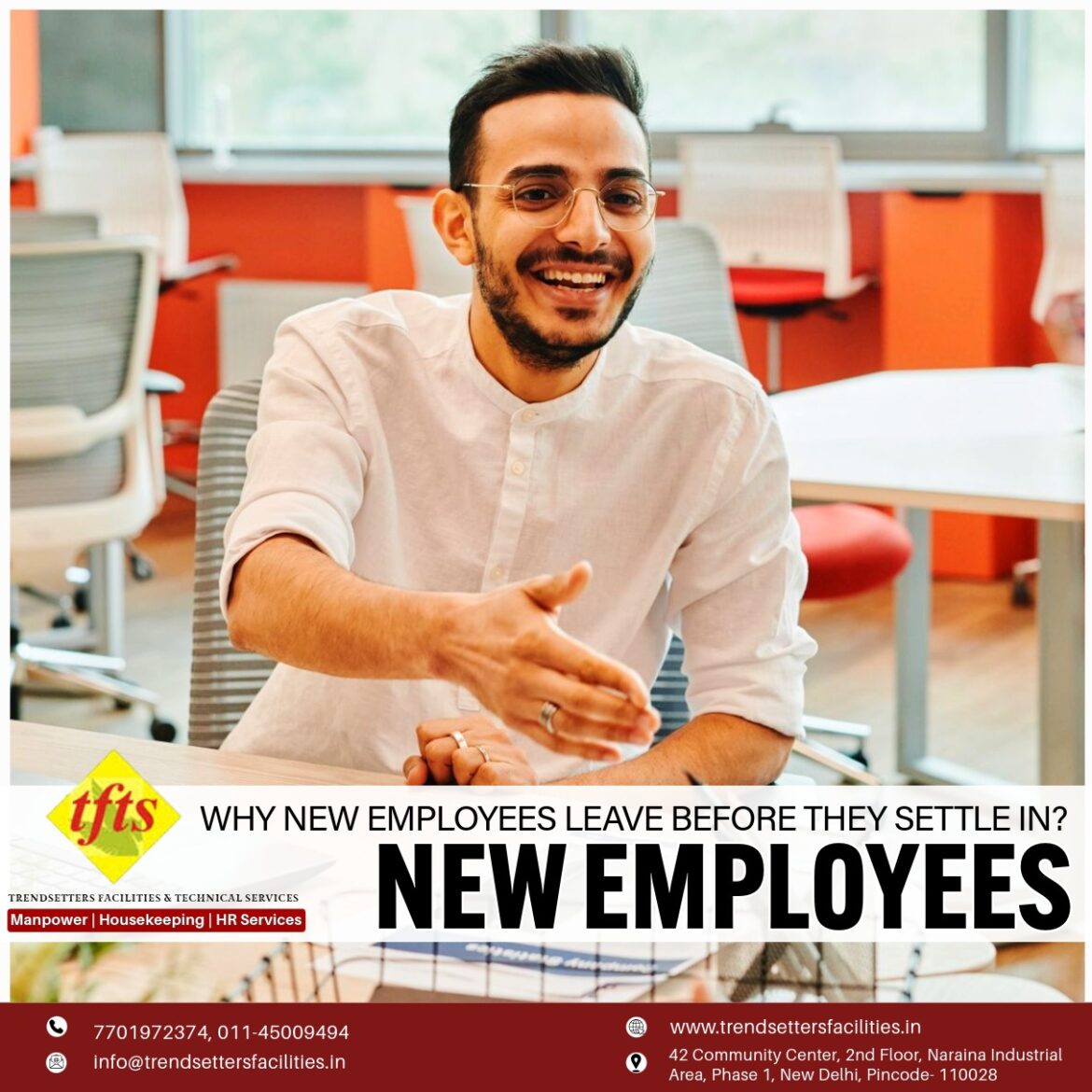
The first few weeks at a new job can shape how an employee feels about the company for months to come. While organisations often focus on hiring the right people, what happens after the offer is accepted can be just as important. A new employee may enter a workplace with excitement, only to feel confused, disconnected or unsupported within the first few weeks.
When these early experiences are poorly managed, employees may begin looking for another opportunity before they have even settled into their role shares TFTS which is a trusted HR outsourcing services company in Delhi for IT, Corporates and MSME sectors.
What Makes the First 30 Days So Important?
The first month is when employees form their initial understanding of the organisation, their responsibilities, colleagues and workplace culture. They are learning how things work while also trying to prove themselves.

If expectations are unclear or support is limited, even a promising new hire can begin to question whether the role is right for them. A structured and welcoming onboarding experience can help reduce this uncertainty and create a stronger foundation.
“A successful first month is not about making a new employee prove themselves immediately; it is about giving them the clarity and support they need to succeed.” Says Mr. Atul Mahajan, Director of Trendsetters Facilities and Technical Services (TFTS) an HR outsourcing company in Delhi, Gurugram, NOIDA and Faridabad for IT, BPO, Corporates, MSME and SME sectors.
Unclear Job Expectations Create Early Frustration
A job description may look clear during recruitment but feel very different once an employee joins. If responsibilities, priorities and performance expectations are not explained properly, new employees may struggle to understand what success looks like.
Regular conversations with managers can help clarify priorities and give employees an opportunity to ask questions before small uncertainties become major frustrations.
Poor Onboarding Can Make Employees Feel Lost
Onboarding is more than completing paperwork and receiving login credentials. New employees need to understand company processes, communication channels, workplace policies and the people they will work with.
When this information is delivered in a rushed or disorganised way, employees may spend their first few weeks trying to figure everything out independently. A thoughtful onboarding process can make the transition much smoother.
The Manager-Employee Relationship Matters
A new employee’s immediate manager can strongly influence their early workplace experience. Employees generally need clear direction, feedback and an accessible person they can approach when they face difficulties.
A manager who regularly checks in during the first month can identify problems early and help the employee become comfortable with the role.
Feeling Like an Outsider Can Push Employees Away
Starting a new job often means entering an established team where colleagues already know one another. Without intentional efforts to introduce and involve the newcomer, the employee may feel disconnected.
Simple actions such as team introductions, informal conversations, collaborative tasks and assigning an onboarding buddy can help new employees build workplace relationships.
Too Much Work Too Soon Can Backfire
New employees need time to understand systems and processes before being expected to perform at full speed. Giving someone a large workload immediately without adequate guidance can create unnecessary pressure.
A gradual increase in responsibilities allows employees to learn, ask questions and gain confidence while still contributing to the organisation.

Small Details Can Shape the Employee Experience
The first impression is influenced by more than salary or job responsibilities. Having the required equipment ready, providing access to necessary systems and explaining basic workplace procedures can make employees feel prepared and welcomed.
When these details are overlooked, a new hire may interpret the experience as a sign that the organisation was not prepared for their arrival.
Building a Stronger First-Month Experience
Companies can make the first 30 days more effective by creating a clear onboarding plan, setting realistic expectations and scheduling regular check-ins. Managers can also provide constructive feedback and recognise early progress.
The goal is not to overwhelm a new employee with information but to give them the right information at the right time. A supportive first month can help employees understand their role, connect with their team and become more confident in their new environment.

Trendsetters Facilities & Technical Services (TFTS) is India’s leading manpower & temporary staffing agency for the manufacturing, power, hospitality, automobiles, IT, and Banking sectors. At present TFTS is the leading manpower supplier to Indian SEZs in SIDCUL, Rudrapur, Udhampur, Haridwar, and JAIPUR World. Some of the prestigious TFTS clients are Delhi Metro Rail Corporation, Bajaj Automobiles, Reliance Infrastructure, Haldirams, HCL.
Trendsetters Facilities & Technical Services (TFTS) offers a range of high-quality services from a team of specialized technicians for –
Life Maintenance and Repair
Housekeeping Services for Homes, Offices, Industries, and Institutions.
HR Outsourcing
Payroll outsourcing services
ITI Certified CNC Operators
Certified TIG welders,
Marble polishing services,
Fire hydrant system maintenance and more.
To Get Quotes
Call Us at : 7701972374, 011-45009494
Email: info@trendsettersfacilities.in