Summary
- Hiring success depends on aligning skills, mindset, and personality with the true demands of the role, not just filling vacancies quickly.
- Looking beyond qualifications to assess adaptability, cultural alignment, and long-term potential leads to stronger, more effective teams.
- A thoughtful and structured hiring process reduces costly mistakes and builds a foundation for sustained organizational growth.
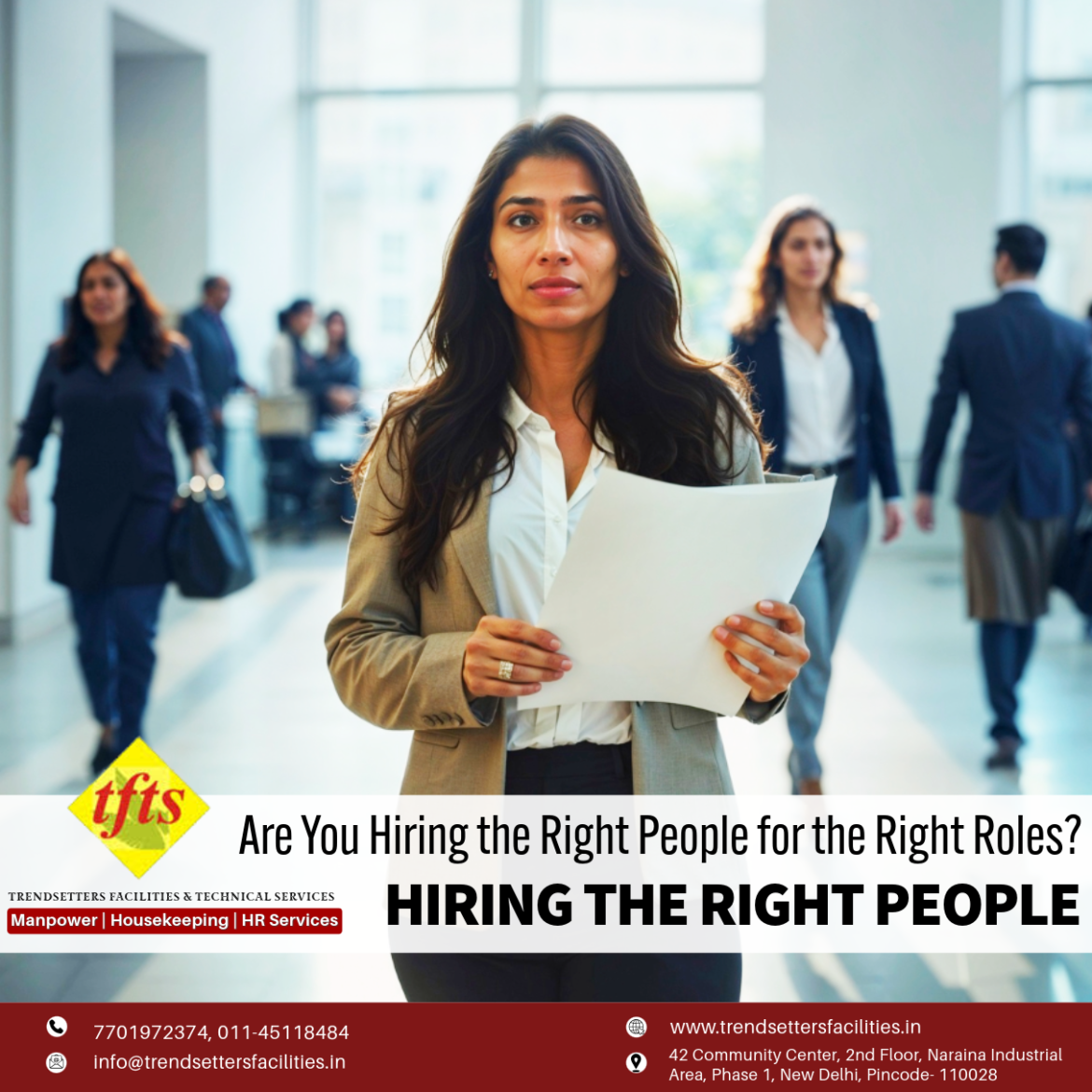
Hiring is one of the most critical decisions any organization makes, yet it’s often treated as a routine process rather than a strategic one. A mismatch between a person and their role doesn’t just affect performance—it influences team morale, productivity, and even company culture. The real challenge isn’t just finding talented individuals; it’s ensuring their skills, mindset, and potential align with what the role truly demands shares TFTS which is a HR outsourcing services company for IT, SME, MSME sectors in Delhi, Gurugram and NOIDA.
Are You Matching Skills with Roles or Just Filling Positions?
Many organizations fall into the trap of hiring quickly to fill vacancies, rather than thoughtfully selecting candidates who truly fit the role. While a candidate may look impressive on paper, the real question is whether their strengths align with the responsibilities they’ll be handling daily. Hiring the right person isn’t about ticking boxes—it’s about understanding the deeper connection between capability and role expectations.
Mr. Atul Mahajan, Director of Trendsetters Facilities and Technical Services (TFTS) says, “Great hiring isn’t about finding the best person available—it’s about finding the right person for the role.”

Understanding the True Requirements of the Role
Before hiring anyone, clarity about the role itself is essential. Job descriptions often list generic skills, but what really matters is identifying what success looks like in that position. Is the role more strategic or execution-focused? Does it require creativity, analytical thinking, or people management? When organizations define roles with precision, they create a solid foundation for making better hiring decisions.
Looking Beyond Qualifications and Experience
Degrees and past job titles only tell part of the story. A candidate might have years of experience but still struggle if their approach or mindset doesn’t match the job. Attitude, adaptability, and problem-solving ability often matter more than formal credentials. When hiring decisions prioritize these deeper qualities, companies are more likely to find individuals who thrive rather than just survive in their roles.
Aligning Personality with Job Demands
Every role has a natural rhythm and expectation. A highly social role demands someone who enjoys interaction, while a detail-oriented role requires patience and focus. When personality aligns with job requirements, employees perform better and feel more satisfied. On the other hand, even highly skilled individuals can underperform if their natural tendencies clash with the role’s demands.
Evaluating Cultural Fit Without Compromising Diversity
Cultural fit doesn’t mean hiring people who think the same way; it means finding individuals who share core values while bringing fresh perspectives. Organizations that balance alignment with diversity create stronger, more innovative teams. The goal is not uniformity but harmony—where differences strengthen rather than disrupt.
Investing in the Right Hiring Process
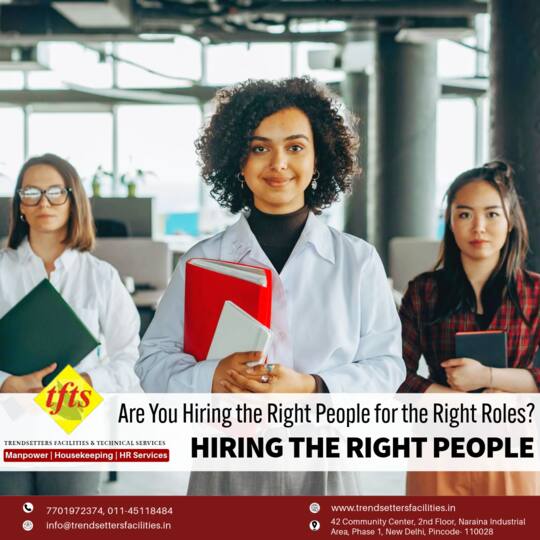
A thoughtful hiring process goes beyond resumes and short interviews. Structured assessments, real-world task evaluations, and meaningful conversations help reveal how candidates actually think and work. When companies invest time in understanding candidates deeply, they significantly reduce the chances of making costly hiring mistakes.
Recognizing the Cost of a Wrong Hire
Hiring the wrong person isn’t just an inconvenience—it’s an expense. It affects productivity, requires additional training, and may even lead to higher turnover. More importantly, it can impact team dynamics and overall business performance. Recognizing this cost encourages organizations to approach hiring with greater care and intention.
Building a Long-Term Perspective
The best hiring decisions are made with the future in mind. Instead of focusing only on immediate needs, organizations benefit from considering how a candidate will grow within the company. A person who has the potential to evolve with the role often becomes a far more valuable asset over time.
Hiring the right people for the right roles is not a one-step task—it’s a thoughtful, strategic process that requires clarity, patience, and insight. When organizations move beyond surface-level hiring and focus on alignment, they don’t just build teams—they build strong foundations for long-term success.

Trendsetters Facilities & Technical Services (TFTS) is India’s leading manpower & temporary staffing agency for the manufacturing, power, hospitality, automobiles, IT, and Banking sectors. At present TFTS is the leading manpower supplier to Indian SEZs in SIDCUL, Rudrapur, Udhampur, Haridwar, and JAIPUR World. Some of the prestigious TFTS clients are Delhi Metro Rail Corporation, Bajaj Automobiles, Reliance Infrastructure, Haldirams, HCL.
Trendsetters Facilities & Technical Services (TFTS) offers a range of high-quality services from a team of specialized technicians for –
Life Maintenance and Repair
Housekeeping Services for Homes, Offices, Industries, and Institutions.
HR Outsourcing
Payroll outsourcing services
ITI Certified CNC Operators
Certified TIG welders,
Marble polishing services,
Fire hydrant system maintenance and more.
To Get Quotes
Call Us at : 7701972374, 011-45009494
Email: info@trendsettersfacilities.in