Summary
- Ensure water flow: Regular inspections help maintain proper pressure and supply.
- Detect faults early: Inspections identify leaks, corrosion and damaged parts.
- Protect lives and assets: A reliable hydrant system strengthens fire preparedness.
Life is unpredictable. Emergencies rarely arrive with an invitation. A fire can break out in a factory, warehouse or processing unit within minutes. What follows can be smoke, confusion and panic. This is exactly when a fire hydrant becomes useful. Now, if you are wondering what a fire hydrant is, then let us first understand it.
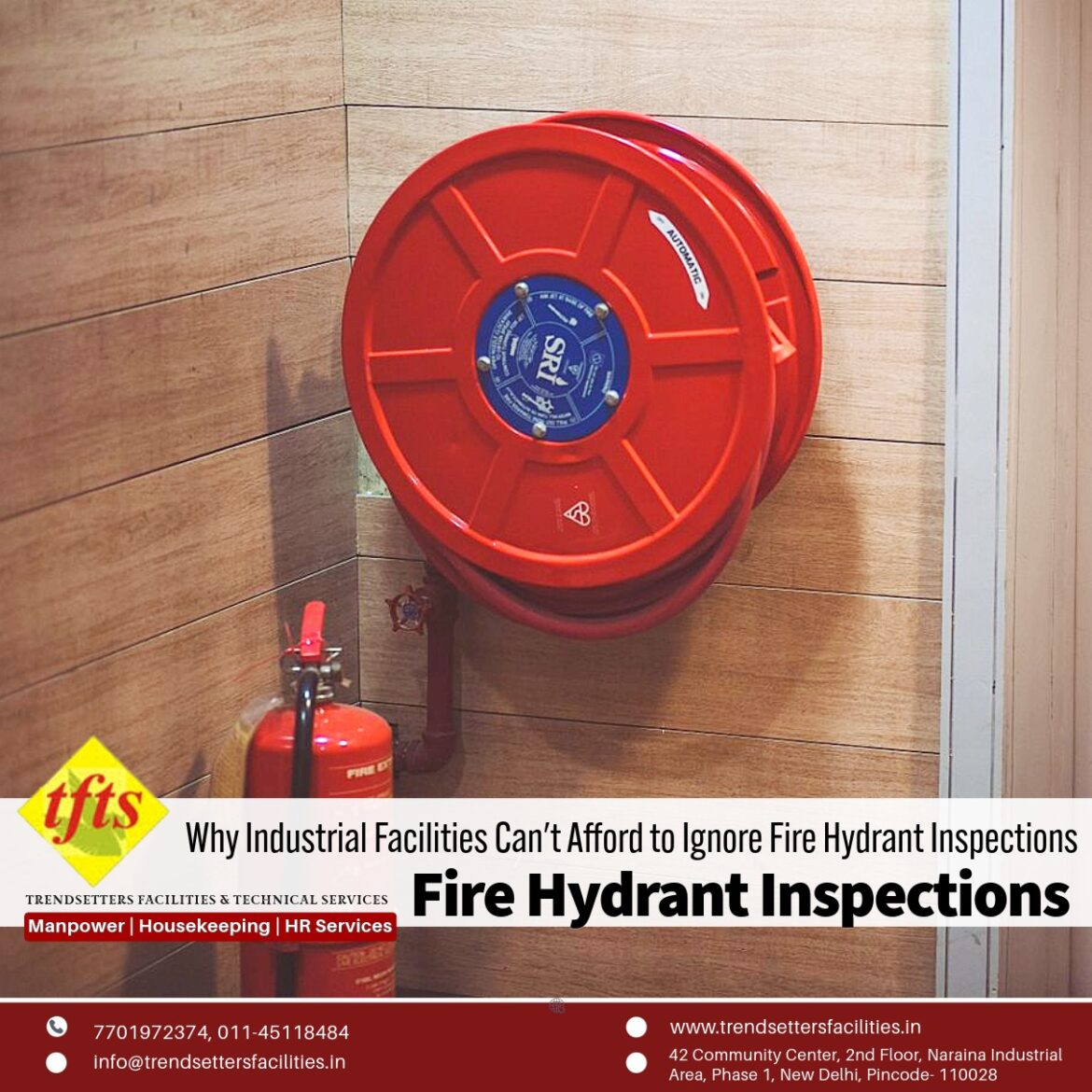
Simply put, a fire hydrant helps to control a fire before a small incident turns into a major disaster. Fire hydrants are an important part of an industrial facility’s fire protection system. They provide firefighters and trained emergency personnel with quick access to water during a fire. The system typically includes pipes, valves, hydrant and other components positioned across the premises. But simply having a fire hydrant system does not make sense unless it works at the right time. For if the fire hydrant fails, then the consequences can be life threatening.
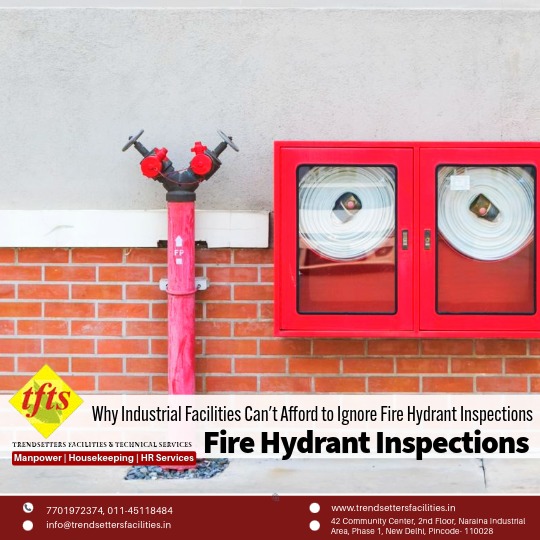
Fire hydrants refer to a building’s water supply system designed for firefighting. They ensure rapid access to water in case of a fire emergency. The system includes pipes, valves, and hydrants strategically placed throughout the structure. However, like any piece of equipment, fire hydrants require regular maintenance to ensure they function properly when they’re needed most.
That is precisely Why Industrial Facilities Can’t Afford to Ignore Fire Hydrant Inspections. TFTS which, is a renowned fire hydrant maintenance services company in Delhi, Gurugram and NOIDA shares its insights on the subject.
Role Of Fire Hydrants in Industrial Facilities
1. Immediate Water Supply: Fire hydrants provide a powerful and readily available flow of water when a fire breaks out, especially when portable extinguishers are not enough.
2. Asset Protection: They help protect costly machinery, raw materials, warehouses and other valuable industrial assets from extensive fire damage.
3. Supporting fire systems: Hydrants work alongside sprinklers, alarms, and other fire-safety systems there
4. Routine Utility: Besides firefighting, fire hydrants can also be used for line flushing, system testing, and certain construction or cleaning activities.
What do You Mean By Fire Hydrant Maintenance?
Fire hydrant maintenance implies keeping the entire hydrant system ready to perform when it is needed the most. It involves regular inspection, testing and servicing to ensure that hydrants, valves, pipes, and other connected components are accessible, undamaged and functioning properly, with adequate water flow and pressure.
Maintenance also includes identifying problems such as leaks, corrosion, blocked outlets or damaged parts and having them repaired or replaced promptly. While public hydrants are generally maintained by the local municipal corporations, hydrants installed on private premises like hospitals, schools, colleges, industrial facilities and commercial properties are the responsibility of the property owner or facility management team. In simple terms, good hydrant maintenance is about making sure that a system that may sit quietly for months is still completely dependent when a fire emergency strikes.
Why is Maintenance and Regular Inspection of Fire Hydrants So Important?
Sometimes we take machines for granted. A fire hydrant is one of those things most people barely notice until there is a fire. Thus, it is obvious due to lack of maintenance and regular inspection, a fire hydrant will not perform the way it is supposed to. Let us try and understand why it is important to regularly inspect fire hydrants.
1. Ensures Parts of Hydrants are functional: Regular inspections help check whether the valves are opening properly, the caps and gaskets are intact, the pipelines are clear and water is available at the required pressure. Rust, corrosion, blocked pipes or a stuck valve may seem like small problems during normal operations, but in an emergency, they can have serious consequences.
2. Ensures That Adequate Water Pressure Is Maintained
Fire hydrants need reliable water pressure and flow to control a fire, particularly in large industrial premises where flames can spread rapidly. If the hydrant system fails or delivers inadequate pressure, the facility then may have to depend upon water tankers or portable pumps. This automatically increases additional expenditure, logistical complications and, most importantly, valuable time lost.
3. Ensures That Small Problems Don’t Become Emergencies
Many a time, people ignore small problems. The same thing happens with fire hydrants. While a hydrant may look absolutely fine from outside, it may still have a damaged valve, internal corrosion, leakage or insufficient water pressure. This is where regular inspection plays an important role. Testing gives facility managers an opportunity to discover these problems when they are still manageable and fix them before a genuine emergency exposes the weakness. Furthermore, it is much cheaper to repair minor defects when detected early.
4. Ensures a Reliable And Consistent Water Supply
During a fire, there is no room for uncertainty about whether water will actually reach the hydrant. Regular pressure and flow testing helps identify problems like leaks, blockages, closed valves or deterioration in the pipeline network. In simple words, inspections help ensure that when someone turns the valve, water comes out with the force and consistency that the firefighting team expects.
5. Increases Life Span of Fire Hydrants
Fire hydrants are expected to remain useful for years. But like any other equipment, they too need regular attention. Cleaning, lubrication, inspection, testing and timely replacement of worn-out components can extend their life span to a great extent. For industrial facilities trying to manage maintenance budgets sensibly, looking after existing infrastructure is obviously preferable to replacing equipment only after it has failed.
6. Prevents Water Contamination
Regular inspection of fire hydrants is a must not only for firefighting readiness but also for maintaining water quality. When a hydrant remains unused for long periods, stagnant water can collect inside the system and create favourable conditions for bacteria, sediment and other contaminants to build up. Routine cleaning and inspection help identify such problems early, keeping the water supply cleaner and reducing the risk of contamination when the system is eventually put into use.
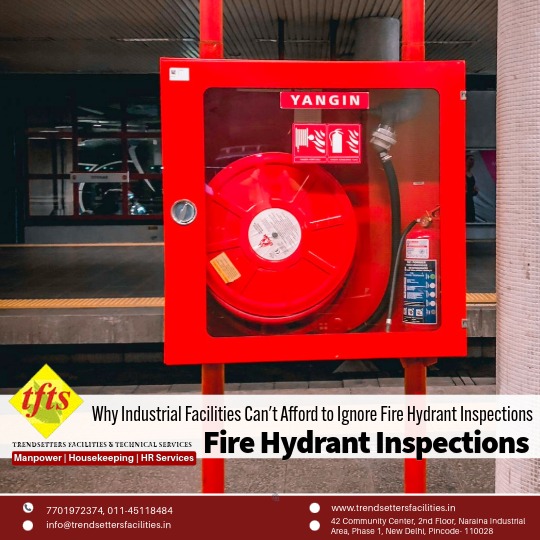
Mr. Atul Mahajan, Director of Trendsetters Facilities and Technical Services (TFTS) a trusted fire hydrant maintenance company in Delhi, Gurugram and NOIDA says that “A fire hydrant is only as reliable as the last inspection that confirmed it was ready.”
Finally, we can conclude that regular fire hydrant inspections are not merely a compliance exercise but a vital part of industrial safety. They ensure reliable water supply, prevent minor defects from becoming major failures, extend equipment life and help protect people, property and business continuity when every second matters.

Trendsetters Facilities & Technical Services (TFTS) is India’s leading manpower & temporary staffing agency for the manufacturing, power, hospitality, automobiles, IT, and Banking sectors. At present TFTS is the leading manpower supplier to Indian SEZs in SIDCUL, Rudrapur, Udhampur, Haridwar, and JAIPUR World. Some of the prestigious TFTS clients are Delhi Metro Rail Corporation, Bajaj Automobiles, Reliance Infrastructure, Haldirams, HCL.
Trendsetters Facilities & Technical Services (TFTS) offers a range of high-quality services from a team of specialized technicians for –
Life Maintenance and Repair
Housekeeping Services for Homes, Offices, Industries, and Institutions.
HR Outsourcing
Payroll outsourcing services
ITI Certified CNC Operators
Certified TIG welders,
Marble polishing services,
Fire hydrant system maintenance and more.
To Get Quotes
Call Us at : 7701972374, 011-45009494
Email: info@trendsettersfacilities.in