In modern buildings, lifts are more than a convenience—they are a critical part of daily life. From residential apartments and hospitals to office towers and shopping malls, elevators quietly move thousands of people every day. Because they operate so seamlessly, lift users rarely think about what could go wrong.
However, when a lift fails, it can lead to inconvenience, safety risks, business disruption, and even legal consequences. Understanding how lift failures occur and how maintenance teams prevent them highlights why regular elevator care is essential explains TFTS which is a top lift maintenance service provider for commercial buildings in Delhi, Gurugram and NOIDA.
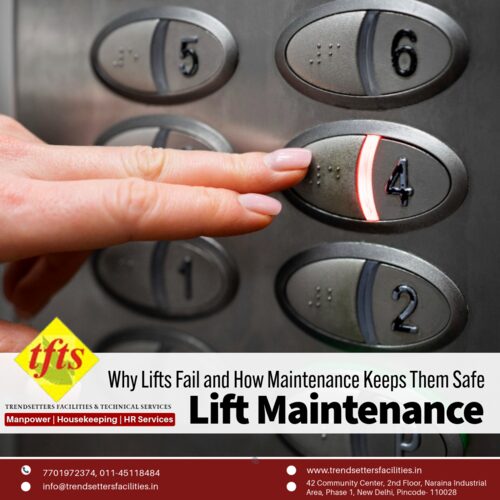
Why Lift Maintenance Is Important?
Lift maintenance is not just a technical requirement; it is a safety obligation. Elevators are complex systems made up of mechanical, electrical, and electronic components that work together under constant stress. Over time, wear and tear is inevitable. Without regular inspection and servicing, minor issues can silently grow into serious failures says Mr. Atul Mahajan, Director of Trendsetters Facilities and Technical Services (TFTS) a leading lift maintenance services company in Delhi.
Proper maintenance ensures passenger safety by reducing the risk of sudden breakdowns, jerky movements, door malfunctions, or lift stoppages between floors. It also extends the lifespan of the equipment, helping building owners avoid expensive repairs or premature replacements. From a legal perspective, poorly maintained lifts can expose property owners to liability claims and regulatory penalties. In commercial spaces, lift failures can damage brand reputation and disrupt daily operations, especially in high-traffic buildings.
Regular maintenance also improves efficiency. A well-maintained lift runs smoothly, consumes less energy, and responds accurately to controls, enhancing user experience and confidence.
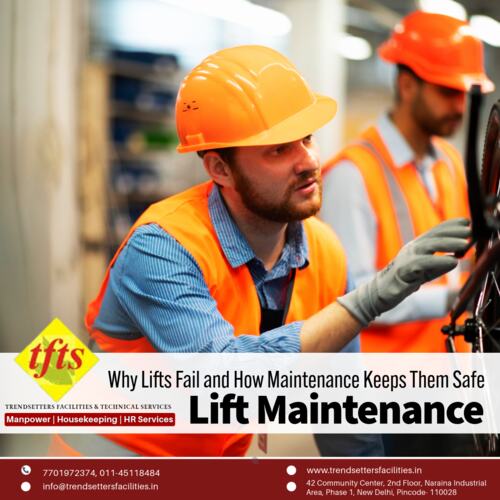
How Lift Failures Happen?
Most lift failures do not occur suddenly. They usually develop gradually due to neglect, aging components, or improper usage. One of the most common causes is mechanical wear. Parts such as ropes, pulleys, brakes, and guide rails experience constant friction. Without timely lubrication and adjustment, these components degrade and affect lift performance.
Electrical issues are another major contributor. Elevators rely on control panels, wiring, sensors, and circuit boards. Fluctuations in power supply, moisture exposure, or outdated electrical systems can lead to control failures, unexpected shutdowns, or erratic behavior.
Door-related problems are among the most frequent causes of lift complaints and breakdowns. Door sensors, rollers, and locking mechanisms are used repeatedly throughout the day. Dust, misalignment, or damaged sensors can prevent doors from opening or closing properly, forcing the lift to stop as a safety measure.
Overloading is also a significant factor. When lifts consistently carry weight beyond their rated capacity, it places extra strain on motors, cables, and braking systems. Over time, this accelerates component failure and increases the risk of breakdowns.
Environmental factors play a role as well. Heat, humidity, dust, and water seepage—especially in basements or older buildings—can damage sensitive components. In coastal or industrial areas, corrosion becomes an added concern.
Finally, lack of skilled maintenance or delayed servicing often turns small faults into major failures. Ignoring warning signs such as unusual noises, vibrations, or delayed responses is a common mistake that leads to serious lift issues.
What Maintenance Teams Do to Prevent Lift Failures?
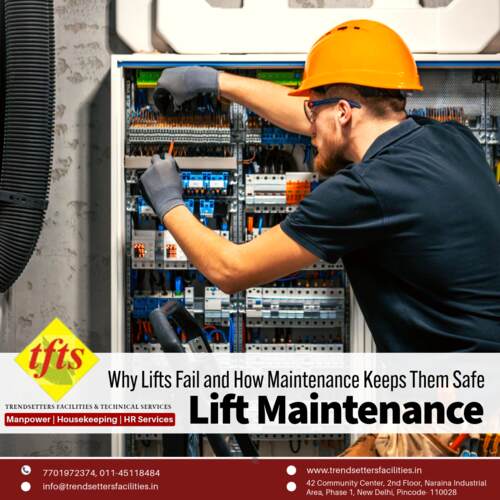
Professional maintenance teams follow a structured approach to keep lifts safe and reliable. Their work begins with routine inspections, where technicians check mechanical components, electrical systems, safety devices, and overall performance. These inspections help identify early signs of wear or malfunction before they become dangerous.
Preventive maintenance is a key strategy. This includes cleaning, lubricating moving parts, tightening connections, calibrating sensors, and testing emergency systems such as alarms, brakes, and backup power. By addressing potential issues proactively, maintenance teams reduce the likelihood of sudden breakdowns.
Modern lifts benefit from advanced diagnostic tools. Many systems now use digital monitoring and error logs that alert technicians to performance irregularities. Maintenance teams analyze this data to predict failures and schedule repairs at the right time.
Another crucial role of maintenance teams is compliance management. They ensure that lifts meet safety standards, manufacturer guidelines, and local regulatory requirements. Regular load testing, safety audits, and certification renewals are part of this responsibility.
Maintenance professionals also educate building management on proper lift usage. Clear signage about weight limits, safe operation, and emergency procedures helps reduce misuse that can damage equipment.
When components reach the end of their service life, maintenance teams recommend timely replacements or modernization. Upgrading outdated control systems, motors, or safety features significantly improves reliability and safety.
Lift failures rarely happen without warning. They are usually the result of neglected maintenance, aging parts, or improper use. Regular, professional lift maintenance is the most effective way to prevent breakdowns, protect passengers, and ensure smooth daily operation. By understanding how failures occur and the vital role maintenance teams play, building owners and managers can make informed decisions that prioritize safety, efficiency, and long-term value. A well-maintained lift is not just a functional asset—it is a commitment to reliability and trust.

Trendsetters Facilities & Technical Services (TFTS) is India’s leading manpower & temporary staffing agency for the manufacturing, power, hospitality, automobiles, IT, and Banking sectors. At present TFTS is the leading manpower supplier to Indian SEZs in SIDCUL, Rudrapur, Udhampur, Haridwar, and JAIPUR World. Some of the prestigious TFTS clients are Delhi Metro Rail Corporation, Bajaj Automobiles, Reliance Infrastructure, Haldirams, HCL.
Trendsetters Facilities & Technical Services (TFTS) offers a range of high-quality services from a team of specialized technicians for –
Life Maintenance and Repair
Housekeeping Services for Homes, Offices, Industries, and Institutions.
HR Outsourcing
Payroll outsourcing services
ITI Certified CNC Operators
Certified TIG welders,
Marble polishing services,
Fire hydrant system maintenance and more.
To Get Quotes
Call Us at : 7701972374, 011-45118484
Email: info@trendsettersfacilities.in